Authenticity Is the Strategy.
2026 is the year public trust in AI turned a corner — and it’s showing up everywhere from data center protests to marketing research. We put AI headshots vs professional photography in St. Louis to the test so you can see exactly why real is becoming the advantage, not the old-fashioned choice.
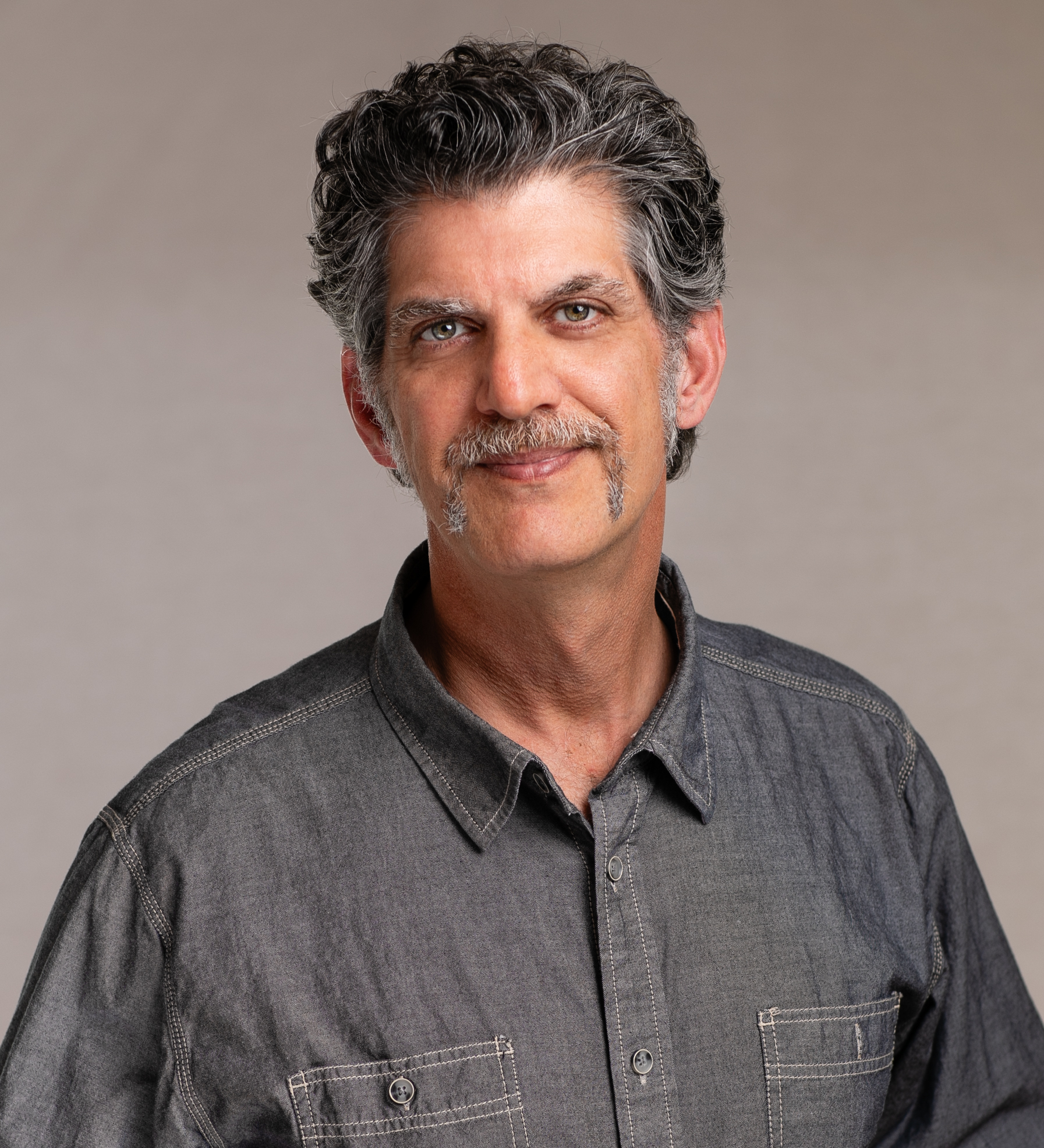
Rez Behnam — real photographer, real photos. No AI involved.
AI Headshot App vs. Real Photography Session
A fair look at both — not a sales pitch. Some of this may surprise you.
| What Matters | AI Headshot App | Real Photography Session |
|---|---|---|
| Cost | $10–$30 | $225+ |
| Turnaround | Minutes | Same-day selection, 24–48hr delivery |
| Looks like you, today | Inconsistent | Guaranteed |
| Wardrobe & posing guidance | None | Included |
| Retouching | Generic algorithm, applied the same way to everyone | Personalized — based on a conversation with you about how you want to look |
| Usable for acting/casting submissions | No — casting directors can tell | Yes |
| Consistent across an entire team | No | Yes |
| Risk if someone finds out it’s AI | Real — see below | None — it’s real |
Real, By Design.
One difference that doesn’t show up in a spec sheet: AI retouches every photo the same way, no matter who you are. Every image we deliver is retouched by hand, after actually talking with you about how you want to look — not run through the same filter as the last 10,000 photos. This is the same process behind every session at Shari Photography, St. Louis’s headshot studio.
Where Trust Still Has a Face
Not a vague concern. Measured, current, and moving in one direction.
LinkedIn’s photo policy simply requires your headshot to “reflect your likeness.” The people looking at your profile, your firm’s website, and your team page are what’s actually putting you at risk. And the data on how they react is not subtle.
Sources: Fractl / Search Engine Land, Q2 2026 (1,008 consumers) · Klaviyo / Datalily, March 2026 (8,000 consumers) · Gartner, 2026
- 90% of consumers want AI-generated images labeled when they see one (Fractl, Q2 2026). An unlabeled AI headshot on a law firm bio, physician profile, or leadership page is a bet against where client and candidate expectations are heading — and that bet gets worse every quarter.
- Some organizations are already acting. Greentarget banned AI-generated imagery from all company assets. Law firm Bianchi and Brandt (Phoenix) banned it specifically for attorney bios. Financial firms carry added exposure: FINRA/SEC “fair and balanced” rules put synthetic headshots on shaky compliance ground.
- Bottom line: for a law firm, bank, medical practice, or any business whose photos represent it to clients and patients, an AI headshot is a visible risk signal. A real photograph carries none of that risk — it’s just a photo of you.
Which One Is Actually Right for You?
The right answer depends on what the photo is for.
Updating LinkedIn
The most common use case — and the one where the answer is least obvious. See what actually works.
AI for LinkedIn: The Real Answer →Acting & Casting Submissions
This is the one case where AI headshots consistently fail — and it can cost you the callback.
Why Casting Directors Can Tell →An Entire Corporate Team
AI apps can’t guarantee 20 people look like they came from the same shoot. Here’s why that matters.
Team Headshots: AI vs. Real →2026 Is the Year America Turned On AI
This is bigger than one industry. It’s a real, measured shift in public sentiment — and it’s happening fast.
Sources: Pew Research Center · Economist/YouGov · Data Center Watch, Q1 2026
Researchers tracking the backlash against AI data centers found the opposition isn’t just about noise or utility bills — it’s increasingly linked to a broader distrust of AI itself. That same shift is showing up in how people react to AI-generated content, AI-generated spokespeople, and yes, AI-generated headshots. Choosing real photography in 2026 isn’t the cautious, old-fashioned option. It’s the one aligned with where public trust is actually headed.
Why we built this: Real photography isn’t a nostalgic choice in 2026 — it’s a strategic one. The data is consistent across every angle we could find: consumers, recruiters, and the public at large trust AI less the more of it they see, and that trend is accelerating, not fading. We built this site to lay out exactly why, with the sources to back it up, and to make the case plainly: if your face represents your business, it should actually be your face.
Our St. Louis Studio
📍 Address
5205 Gravois Ave
St. Louis, MO 63116
15 min from downtown, Clayton & Midtown
📞 Phone
314-221-2166
Call or text — 7 days a week
🕐 Hours
Open 7 Days a Week
Weekday, evening & weekend sessions available
St. Louis Headshot Photography Studio is part of the Shari Photography family of studios — alongside Shari Photography, Actor Headshot Studio, and Long Road Studio. Same team, same 15+ years of experience.
Human First. Always.
Sessions available 7 days a week at our St. Louis studio. Same-day image selection.
Or call / text: 314-221-2166